Stories From Everywhere
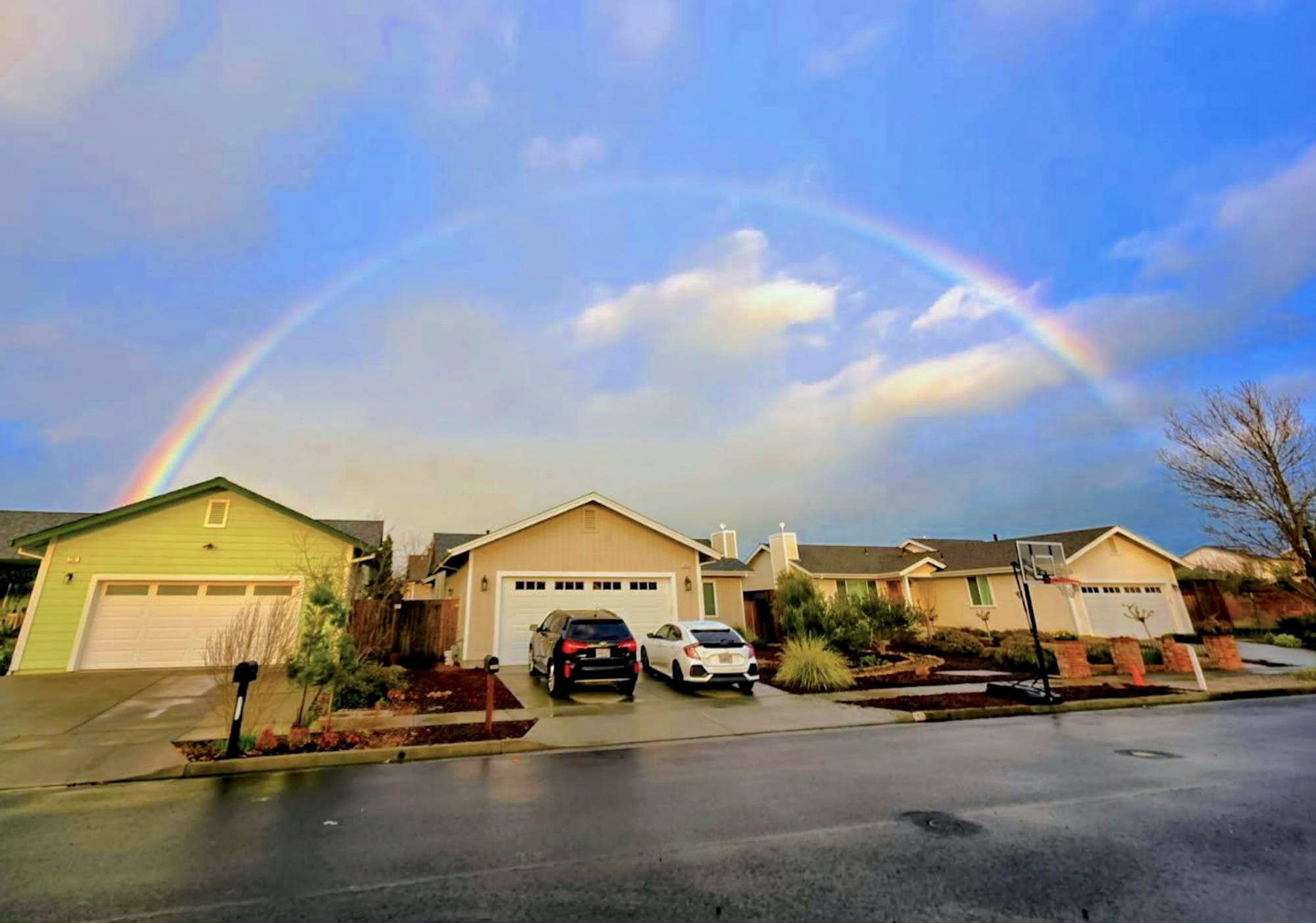
Hi all. A quick Journalism 101 bit of info. The first sentence of an article is known as the lede (pronounced lead, as I will lead us into the gates of hell). I wrote the original lede weeks ago but circumstances beyond my control amplified in a way I hadn't intended:
Hey all, as always I hope you’re navigating life safely whilst you sail upon the stormy waves of “Oh, FFS.”
None of us out here in normal land – as in anywhere outside the White House – had more than an inkling of the carnage that would dawn on the world. Yes, the threats had been voiced, but we, or at least I, held onto the hope of sanity and a different approach than killing people, and having our own Americans and their families suffer.
Let's move on.
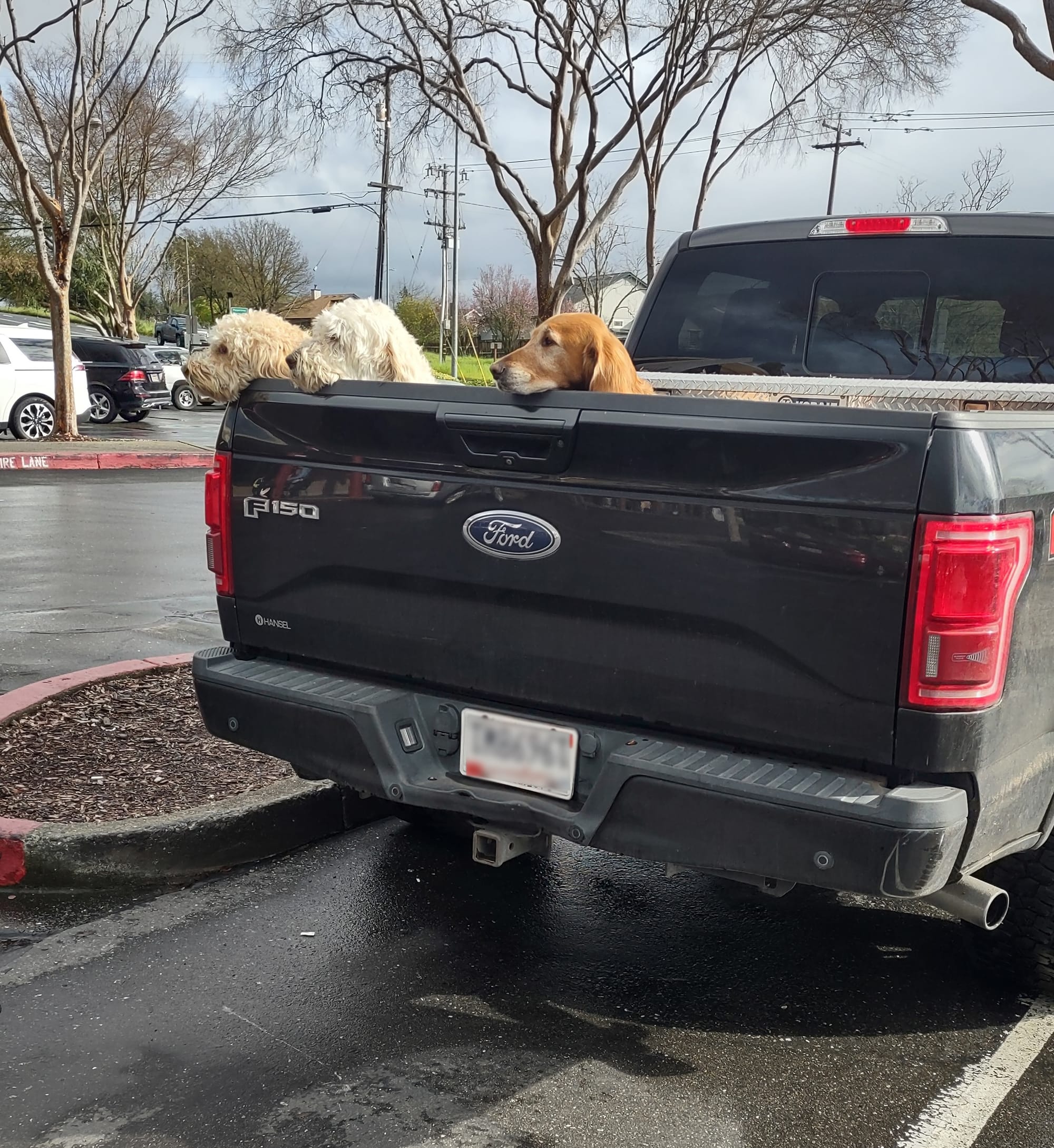
This issue has a handful of Open Tabs, Health and Med Stuff, and a new feature that will be more regular than others in 2026, Stories From Everywhere, which is pretty much what it says. And to offset, at least a bit, the quasi- to real misery many have put up with known as winter, there’ll be A Photograph or two of something nice to remind us that spring is indeed coming.
Open Tabs
This isn’t me, or anyone I know, but it’s one of those things that when you’re made aware should, if you’re not there already, remind you that not everyone sees the world like you do. Just sayin.
Have you counted your cats and dogs lately? You probably remember the dogs and cats thing, and a few moments later remember that it was about the Hatian residents of Springfield, Ohio. Welp, there’s something about them Hatians that the administtrumption just don’t like, so they tried to run ‘em outta here. Then a JusticeYourHonor said “not so fast.”
Which is what the first nine paragraphs of this Heather Cox Richardson post are about, but the rest of her post is as excellent as always. Here’s a nice pull quote: “ …But, as Reyes points out, the facts simply don’t match their ideology. TPS (Temporary Protective Status) holders participate in the workforce at the exceptionally high rate of 94.6%. Far from being “killers, leeches, and entitlement junkies,” the plaintiffs in the case challenging Noem’s decision are a neuroscientist researching Alzheimer’s disease, a software engineer at a national bank, a toxicology lab assistant, a college economics major, and a registered nurse.”
When Noem claimed that it was “contrary to the national interest” to permit about 350,000 Haitian immigrants to stay in the country until it is safe to go back to Haiti, Reyes noted, [Noem] characterized them as criminals without any actual evidence.”
Yet another Open Tab about something that needs no pithy or humorous introduction: do clinicians make money from providing (or pushing, according to some) vaccines?
I sure don’t remember this in Star Wars or 2001 A Space Odyssey:
This review encapsulates current understanding of the effects of spaceflight on reproductive physiology… Female reproductive systems appear to be especially vulnerable, with implications for oogenesis and embryonic development in microgravity. Male reproductive function reveals compromised DNA integrity, even when motility appears to be preserved.
And as if the above weren't enough, add this: space travel changes the brain…literally
We’re eating a little toooooo well, apparently.
“We have operationalized a stationary laser system.” Putting aside the inane -ized word created by some communication bot…welcome to real laser wars merged with old fashioned did/didn’t finger pointing
Health and Medical Stuff
Measles. I've written about it before, I'll be writing about it until I'm incapable of writing, because of those things we can and can't control in our lives, the spread of a highly communicable, deadly disease is something we CAN control. Or could control, until doctors and scientists striving to keep an entire country safe from sickness and death were replaced by unqualified, conspiracy believing, misinformation spreading sociopaths.
Stats:
Total U.S. measles cases ten years ago – 86
Current U.S. measles cases – 1,194
If that number comparison isn't enough to slap people around, maybe these charts are...
Stories From Everywhere
Everything, what we are, do, know, and experience, everything is a story, and stories are everywhere.
I drafted a short essay about my neighbor Barb, then dug a little for some related info that crossed my mind after, and found a Gallop Poll piece that I thought was appropriate to include, to wit: “For the 18th year in a row, Americans rate the honesty and ethics of nurses highest among a list of professions that Gallup asks U.S. adults to assess annually. Currently, 85% of Americans say nurses' honesty and ethical standards are "very high" or "high," essentially unchanged from the 84% who said the same in 2018. Alternatively, Americans hold car salespeople in the lowest esteem, with 9% saying individuals in this field have high levels of ethics and honesty, similar to the 8% who said the same in 2018.”
"How Was Your Day?"
I happened to be outside as neighbor and good friend Barb (not her real name) came home from work.
“Hey buddy, how you doin’?” I asked, as she got out of her car. She still had on her scrubs. She’s an 18-year ER nurse at a local hospital that’s designated as the area’s primary trauma center, where trauma victims are taken for everything from auto accident injuries to bullet wounds.
She said, “There’s a new kind of fentanyl in town and people are dyin’.”
She wasn’t being flippant, wasn’t attempting to be humorous in an inappropriate way, she was simply answering my question.
Our small neighborhood has been through a lot over the last decade, and many of us are now close friends, but we had become friends with Barb soon after she moved in across the street about 15 years ago. We’ve shared some way ups and way downs. Matter of fact, when my wife had an accident that required an ambulance ride, Barb was waiting at the ER when the paramedics pulled in.
“There’s a new kind of fentanyl in town and people are dyin’.”
I had asked about her day, and her thirteen-word response, short, direct, and without drama, conveyed a this-is-life reality much, much heavier than thirteen words, or a trauma nurse, should have to support.
When one of us is outside as the other returns home, we exchange greetings and that might be it, because we have to get inside, got something to do, general life stuff. Other times, there’s no rush, we talk a few minutes. This time she walked to her front door as I responded, “Damn,” to what she’d just said.
In the days that followed I mulled over, and over, my diverse reactions and realizations I had to hearing to sentence that included ‘new fentanyl’ and ‘killing people.’ A week later we sat in her front yard and talked about it.
I respect Barb, love her like family. None of us get this existence without also getting its rough patches, potholes, and trauma along the way. Some of us have it harder than others. Barb and life have gone toe to toe a few times, and she’s more than held her own. She’s doing okay. Others would have crumbled. That ain’t her way.
She’s no pushover in any situation, and some who interact with her might get a sense that she’s fun to be around but she’s also no-nonsense; if she has an opinion, or an answer, she’s going to remain firm in her perspectives, knowledge, or commitment.
Yeah, in other words…she’s a great nurse.
And like most great nurses, she does not come out of every situation emotionally unscarred. Peoples’ actions and non-actions dig at her in a WTF are you thinking kind of way.
I had never asked why she became a nurse. I like nurses. Well, I like good nurses. I’ve had my minor and major trips to hospitals, a couple of serious issues along with the usuals, those health and medical things that a person of my sensibilities and age goes through, but I’ve also worked in hospitals, with medical researchers, and for medical/health organizations. One of my books required deep research into trauma centers. I’ve had close friendships with nurses, physicians and medical researchers.
That exposure sometimes provides a more nuanced perspective on hospitals and health care, but Barb’s blunt, another day at work delivery of her dark answer, got me to thinking about some things and wondering about others. So I asked her for perspectives about the kind of people she meets and personal insights about the ER environment. Some were revelatory and could only have come from a doctor or nurse who works in an ER, or from first responders.
When Ya’ Gotta Know, Ya’ Gotta Know
My life is a constant search to uncover the ‘why’ of things. I follow the why because I seek a root cause for an action or event, to understand as best I can why something occurred at all. I’ve written previously about how the drive to find the why and how of things feels like part of my DNA, supported in part by knowing my sister has the same attribute. I’m certain by now, because I’ve been around awhile, that it stems from my dad, a design engineer whose career was built upon successfully creating X which would then produce end-result Y, which he did for everything from locomotives manufacturing, to missile systems, to designing the installation of a particle accelerator ring that could momentarily create the brightest light in the universe.
When Barb told me about her new-fentanyl-people-dying day, my first thought was, my god, Barb is part of something I’d never realized: something dangerous (the new kind of fentanyl) is making its way through the community, sickening and killing people, but the people who know about it first are the ER professionals.
Not the cops, not the first responders, not the paramedics; not what I initially envisioned. I had assumed first responders and cops would know, getting dispatched to overdose calls, something like a growing realization by the third, fourth, fifth call that there’s some bad shit going around.
But as we talked about that day I quickly understood why the ER would not only be the first to realize what was happening, it could be days or weeks before the community at large, and law enforcement, would be aware: first responders, paramedics, and certainly cops, are not called when someone overdoses or has a ‘hey is that death’s door I'm seeing?’ dope complication. What happens instead is someone, a ‘friend,’ brings the overdoser to the ER, drops him or her off, then splits because, as Barb shared, “they never stay because they don’t want to answer questions.”
It fries her, that people get together to smoke up or shoot up, and someone BEGINS TO DIE, that rather than do the thing that will probably save someone’s life — call 911 —the overdosing victim is instead carried or dragged to and packed into a vehicle (because the overdoser can’t do anything on their own) driven to the hospital, deposited like a bag of trouble, and the ride drives away not to be seen again.
“And the cops don’t care,” she says. There were a few times when information shared by an ER patient was offered to a law enforcement agency, but there was never any follow-up. “So, we don’t bother with that anymore, we just try to save their lives.” Which starts with ascertaining that the unconscious patient is indeed dying from fentanyl exposure. “Luckily for the patient, we know pretty quickly that’s what’s happening, because the patient can’t tell us what the problem is, and whoever brought them to the ER left without sharing any info. Those times when someone does stick around, and we get a chance to ask, they either lie, like, ‘I don’t know,’ or just don’t say anything.”
Barb had originally wanted to be an epidemiologist, but instead got her BS in nursing, largely influenced by her mother’s stay in a hospital where Barb saw more than a few “bad nurses,” which she does not have on her teams.
There’s a unique camaraderie one might expect of a trauma team and emergency care professionals.
“We don’t always get a heads up that someone is coming in, but when we do the nurses come together to go over everyone’s role and prep everything.” While that’s something us mere mortals might easily assume, either from having been to an ER or by watching even one episode of any hospital-based TV show. But yet again, I’m surprised as she reveals another insight. “And depending on what’s about to happen, we all prepare emotionally.” That way, when the patients arrive, “everyone does their job, and we do it really well.”
The emotions come after, and Barb isn’t the only ER nurse frustrated, angered, and saddened by how people treat — or don’t treat — each other.
Addiction is a sad, terrible thing that often has a DNA component (yes, the ‘addiction gene’ is actually a thing, though the phrase is an oversimplification of a very complex condition). Thank goodness for the Barbs in the world, who work to save us even when we screw ourselves, or when someone tosses us out at the curb like litter and drives away.
Photographs
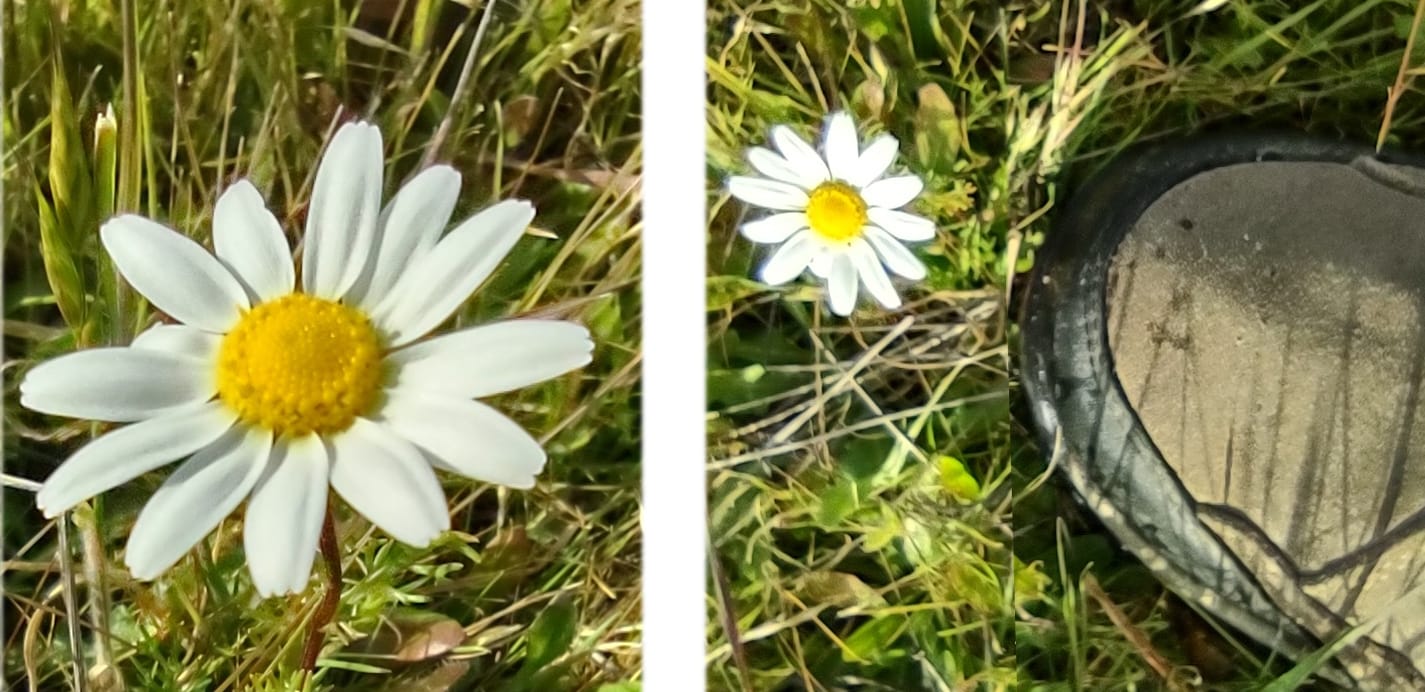
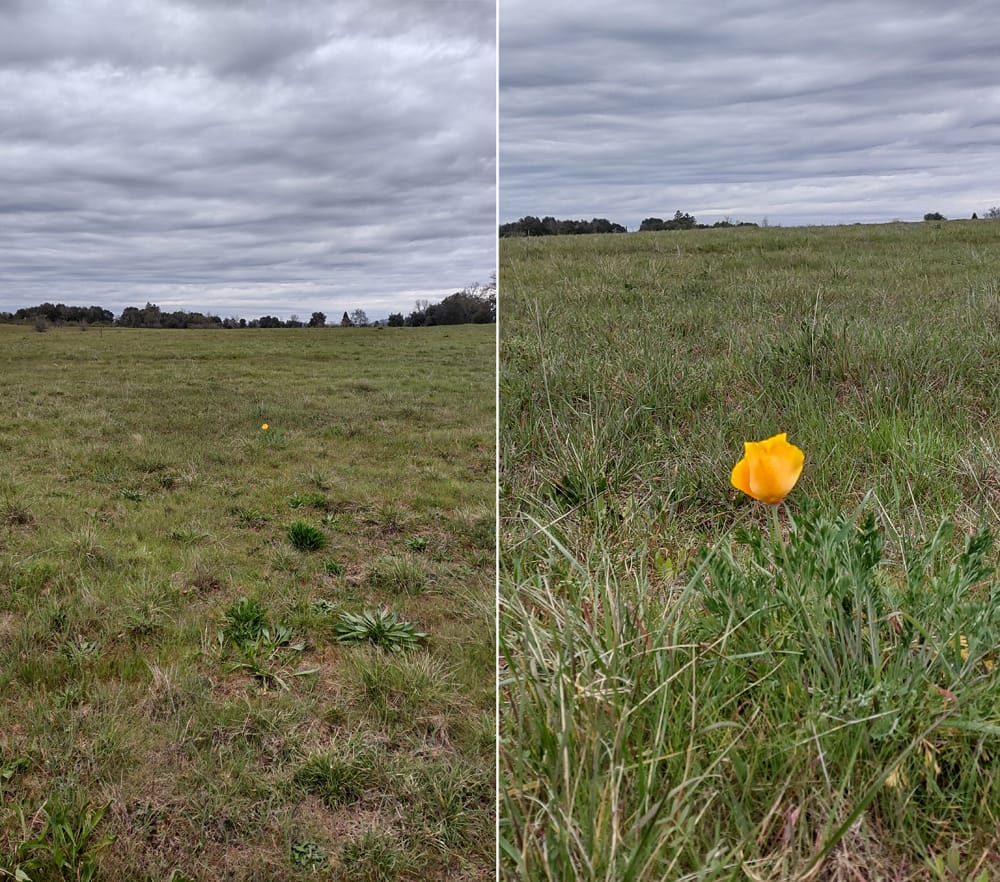
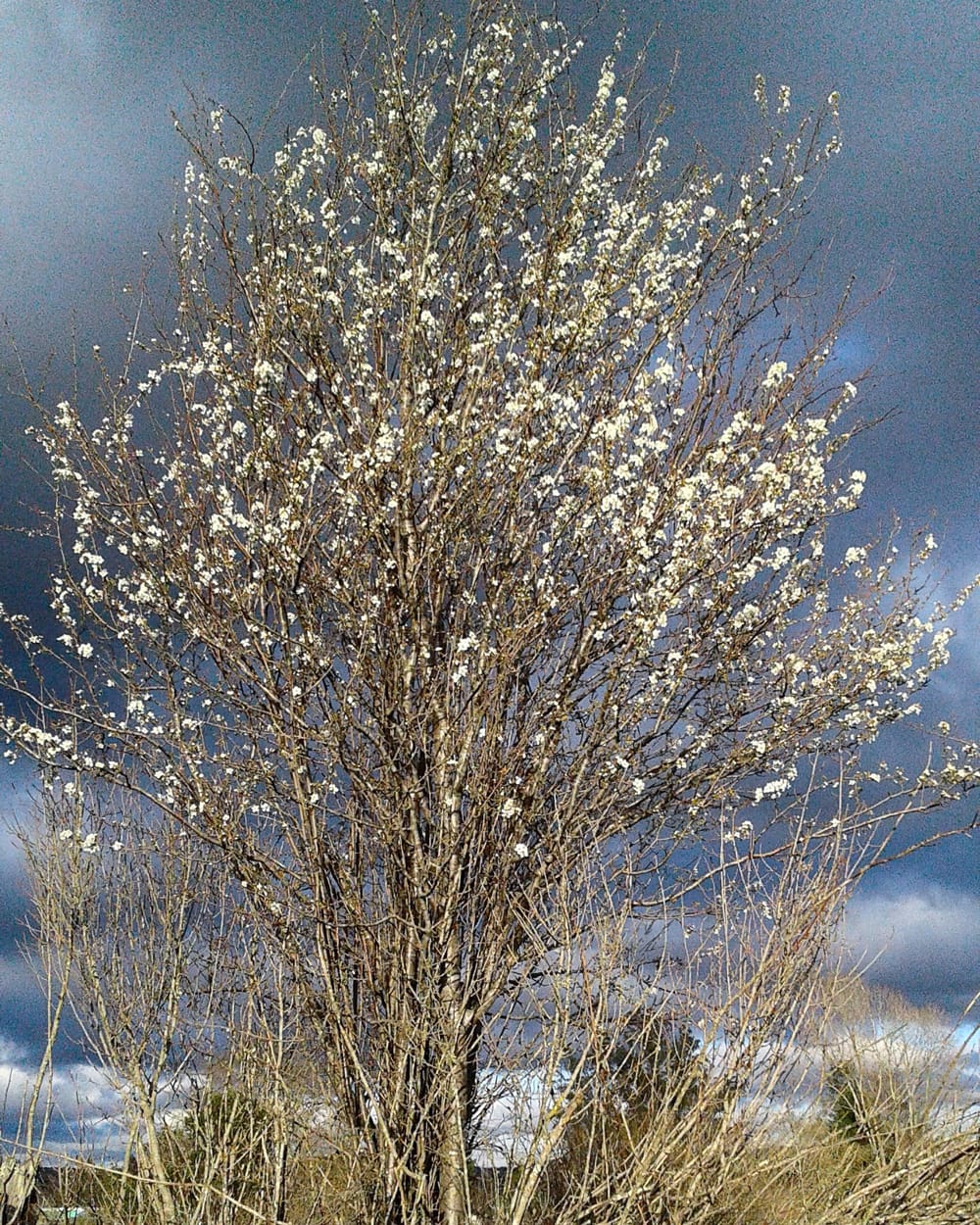
As I started so shall I end, with a different end thought than I had originally intended, wherein I convey that while I'm not without hope, I am pissed and concerned. I'm concerned because as a veteran I certainly understand the stress and worry felt by every service member's families, and pissed that an egomaniac, bereft of morals or ethics, who has never said an intelligent or positive thing about veterans, looks at power-via-war as just another aspect of his current reality TV show.
Here's hoping for anything better than all this.
MWH